
Best of Hotel Space
Changchun Hotel Renovation and Design Project
Designer / Agency
- Zhengyang Design Qin Di, Hu Gang, Yang Liangcang, Xue Wang Xueying, Cui Guangqiu, Lou Kexin, Qiu Xuntao, Han Shuang
Category
- Hotel Space
Award
- 2025 Innovation
Share this project
PROJECT
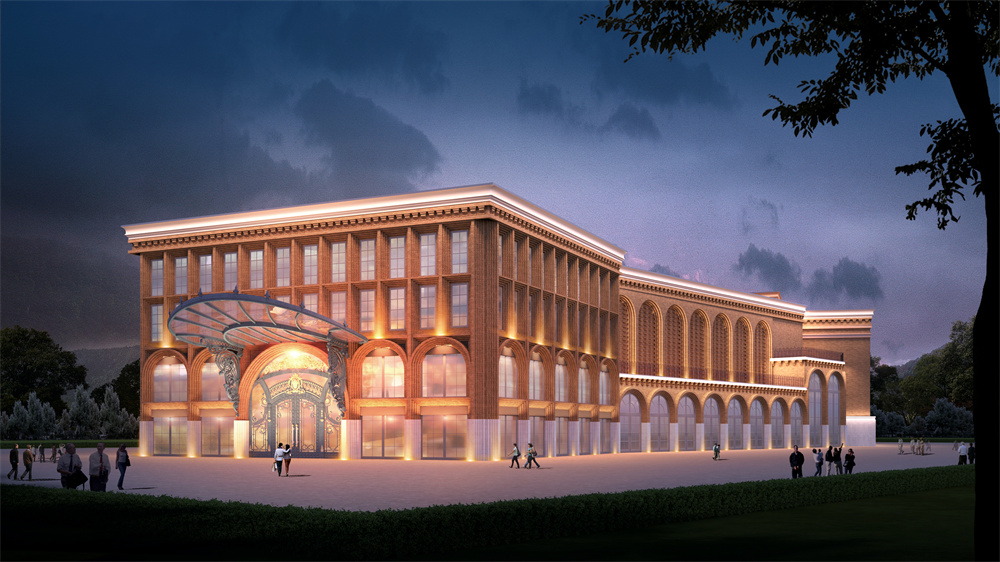
The Changchun Hotel complex is located in the bustling commercial district of Changchun city center, covering an area of approximately 40000 square meters. This architectural complex is renowned for its unique courtyard style, consisting of nearly ten buildings of varying sizes, arranged in a staggered and intricate manner, creating a visually striking effect of undulations. Each building is uniquely designed, not only echoing each other in architectural style, but also cleverly integrating elements of nature and culture in spatial layout, showcasing a harmonious beauty.In the center of the community, a peaceful artificial lake comes into view, with shimmering waves and enchanting lights. By the lake, weeping willows sway gently in the wind, displaying an elegant posture. Pavilions and fountains are interspersed among them, complementing each other and adding a touch of elegance and vitality. The entire garden scenery is pleasant, like a vivid painting, making people linger and forget to leave. Tourists can feel a sense of tranquility and harmony here, as if they are in a secluded paradise away from the hustle and bustle.
In the community, the most eye-catching building is undoubtedly the former Central Bank Club during the puppet Manchukuo period. It was not only a high-end entertainment venue carefully crafted by the Japanese aggressors, but also the location for the puppet Manchukuo decision-making conference. In 1934, the famous Japanese architect Endo Shingen crossed the ocean and was invited by the Central Bank of Manchukuo to come to "Xinjing" (now Changchun), where he completed a series of architectural designs including the Manchukuo Central Bank Club, the bank president's residence, and staff residences. Endo Shinichi was born in Fukushima Prefecture, Japan in 1889. He graduated from the Department of Architecture at the Imperial University of Tokyo in 1914 and was a loyal disciple of the modern architectural master Frank Lloyd Wright. He not only designed buildings with a grassland style residential style in Changchun, but also faithfully followed Wright's organic architectural design philosophy. This also explains why the architectural style of the Manchukuo Central Bank Club was deeply influenced by Wright's "grassland style". The so-called "grassland style" does not refer to the vast Mongolian grasslands in China, but specifically refers to a residential style in the United States known for its romantic, free, and pastoral imagery. The designer cleverly utilized the terrain of the site to create a 70 meter long corridor on the south side of the building. During spring and summer, the corridor is covered with lush plants, making it an excellent place to overlook Baishan Park and appreciate the beauty of nature.
The Central Bank Club of Manchukuo is completely different from other buildings left over from the Manchukuo period in terms of architectural style and appearance. The Puppet Manchuria Central Bank Club, a building integrating the mysterious power of the four seasons and the vitality of life, is known as the "essence of Manchuria architectural culture", and has won the "Excellent Folk Architecture Award" issued by the Manchuria National Capital Construction Bureau. This building carries a profound historical and cultural heritage, is a treasure of the Changchun Hotel architectural complex, and is also the inspiration for this design. Through cultural excavation of this building, we have gained a deep understanding of its history and story, injecting unique soul and charm into the design of the entire community.
At the beginning of the design, the team members were full of passion. The design team is mainly composed of teachers and students from the School of Architecture at Harbin Institute of Technology and the School of Art at Northeast Agricultural University, who have rich experience in renovating historic buildings. Especially the Changchun Hotel complex, which combines diverse architectural styles with special period garden and courtyard styles, provides a great opportunity for teachers and students majoring in architecture and landscaping at the University of Technology and Agricultural University to showcase their talents. Over the course of several months, the design team conducted an in-depth investigation of many famous buildings from the Manchurian period in Changchun city, such as the Dahe Hotel, Manzhouwu Hotel, Acrobatic Palace, Yuchangyuan Hot Pot, Tengban Photography Studio, Sea Club, Kant Club, etc. Most of these buildings exhibit a unique Xingya style. These buildings each carried different historical significance during the period of Manchukuo, and their styles were vastly different from Endo Shin's design philosophy of focusing on nature. Therefore, the design team decided to create a Changchun Hotel architectural complex that not only conforms to modern aesthetics but also preserves historical charm from a unique perspective and innovative techniques, while respecting the overall relationship of historical buildings. Main design concept: Build, Imprint, Create
Build:
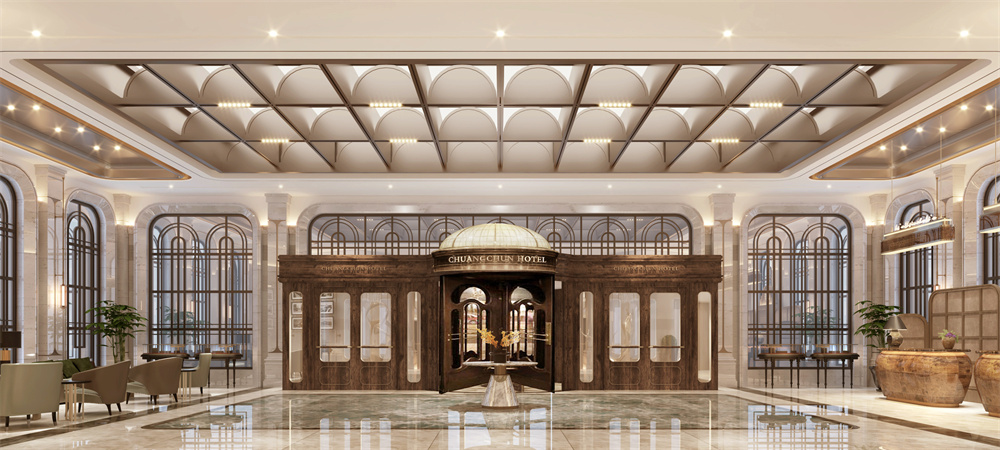
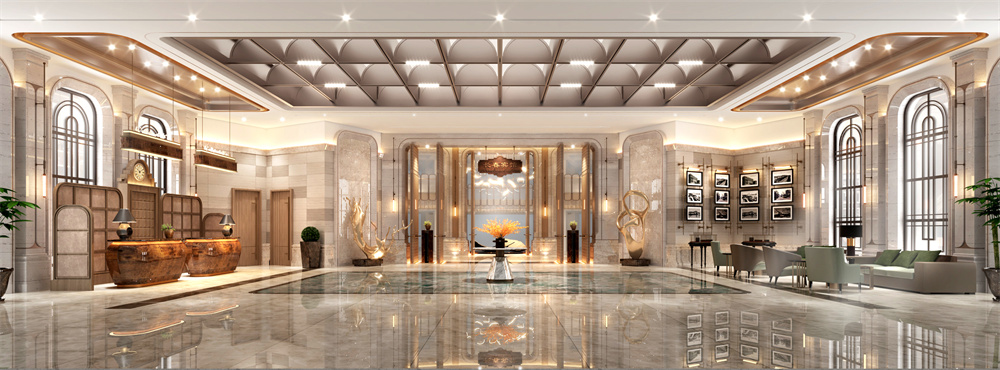
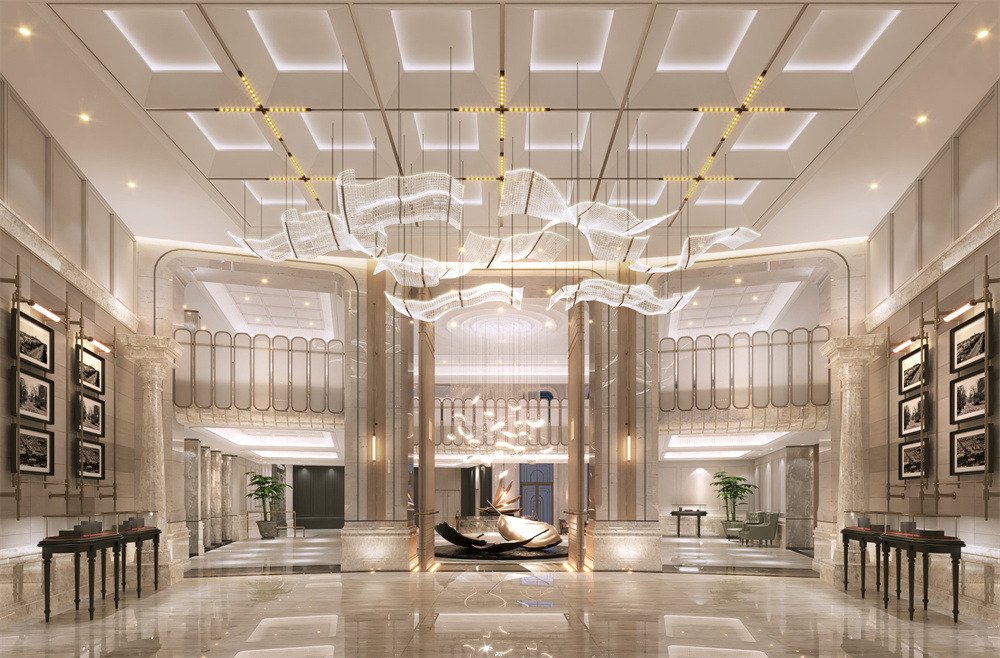
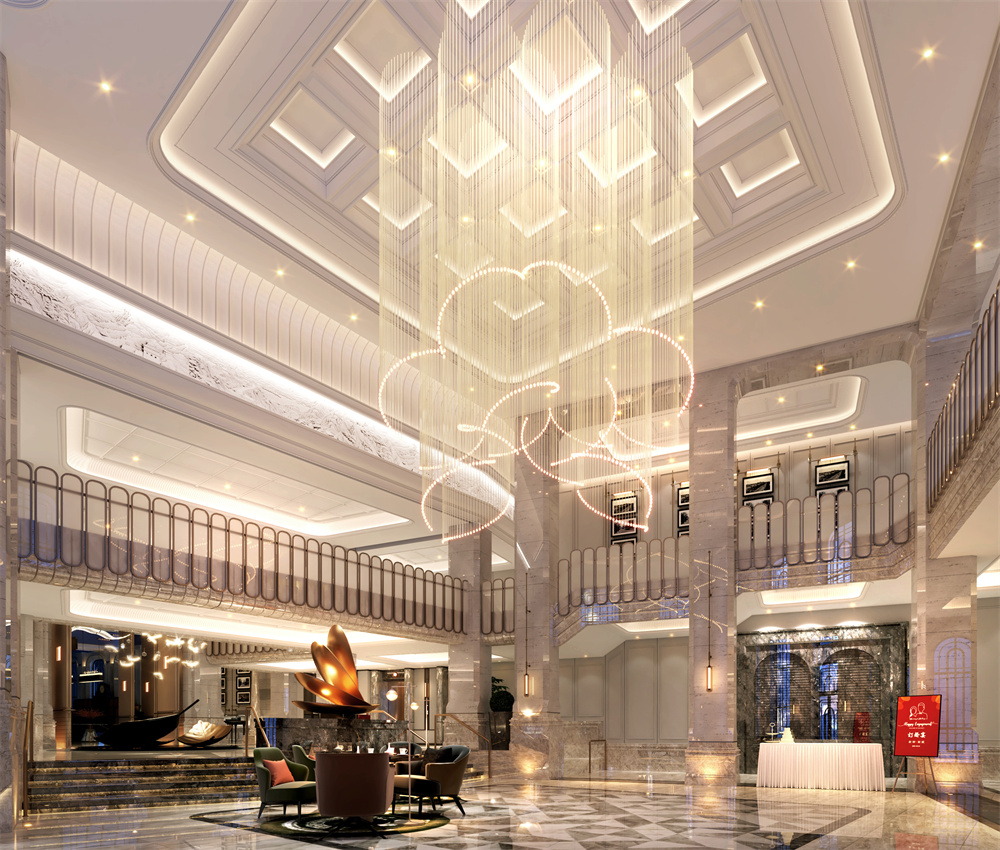
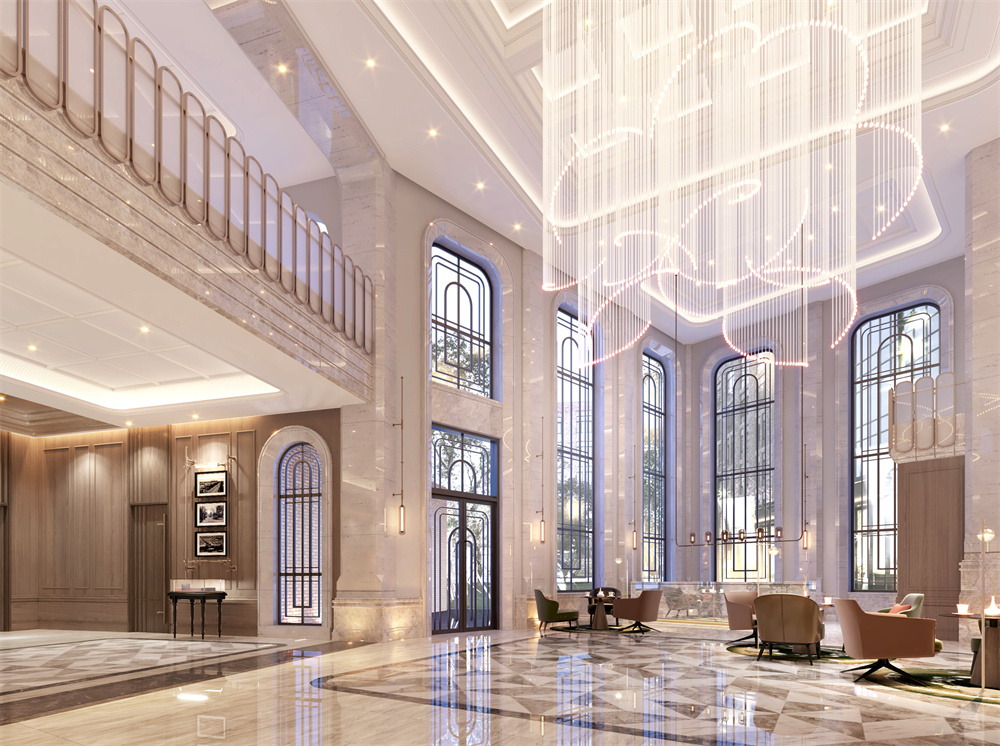
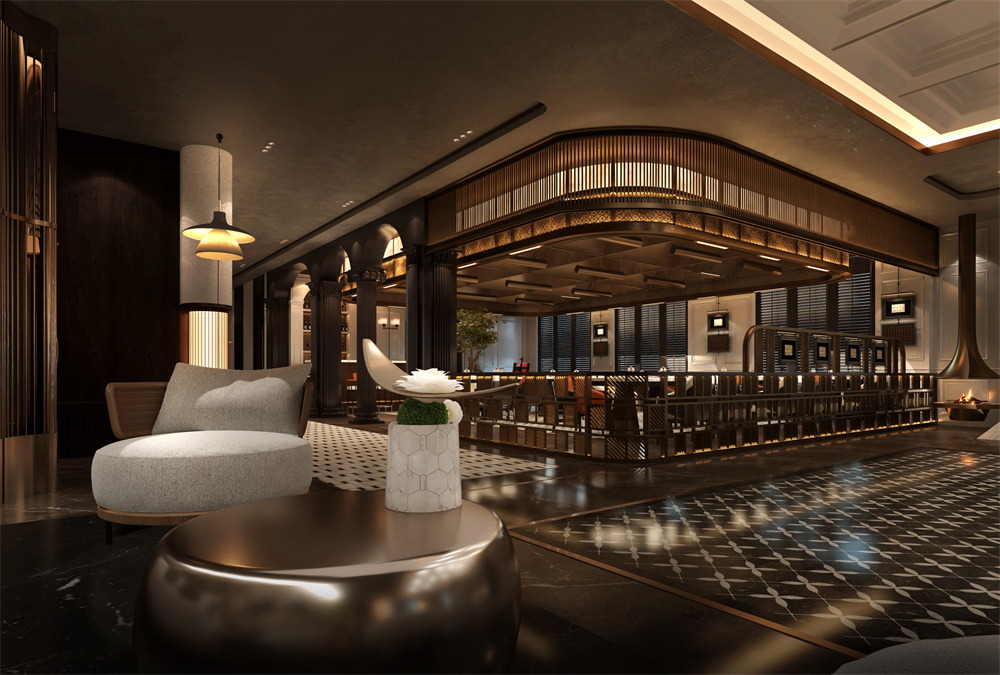
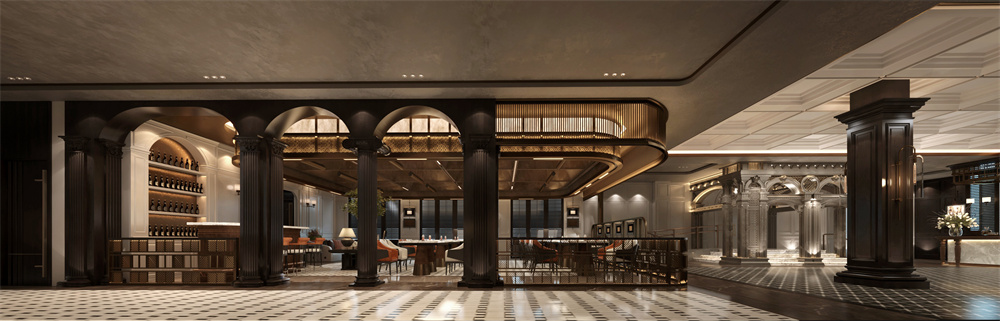
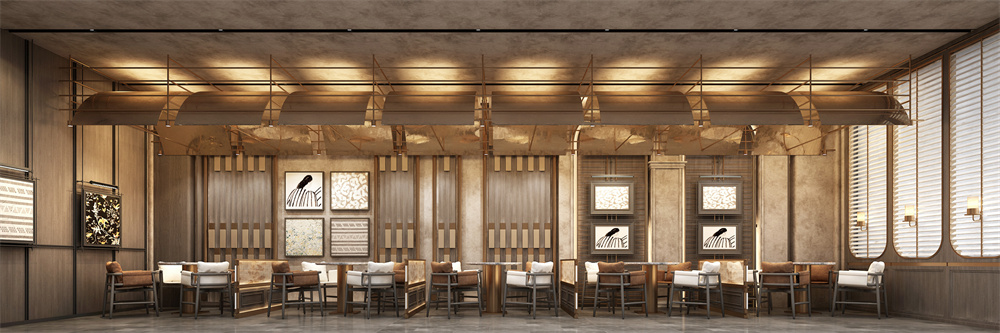
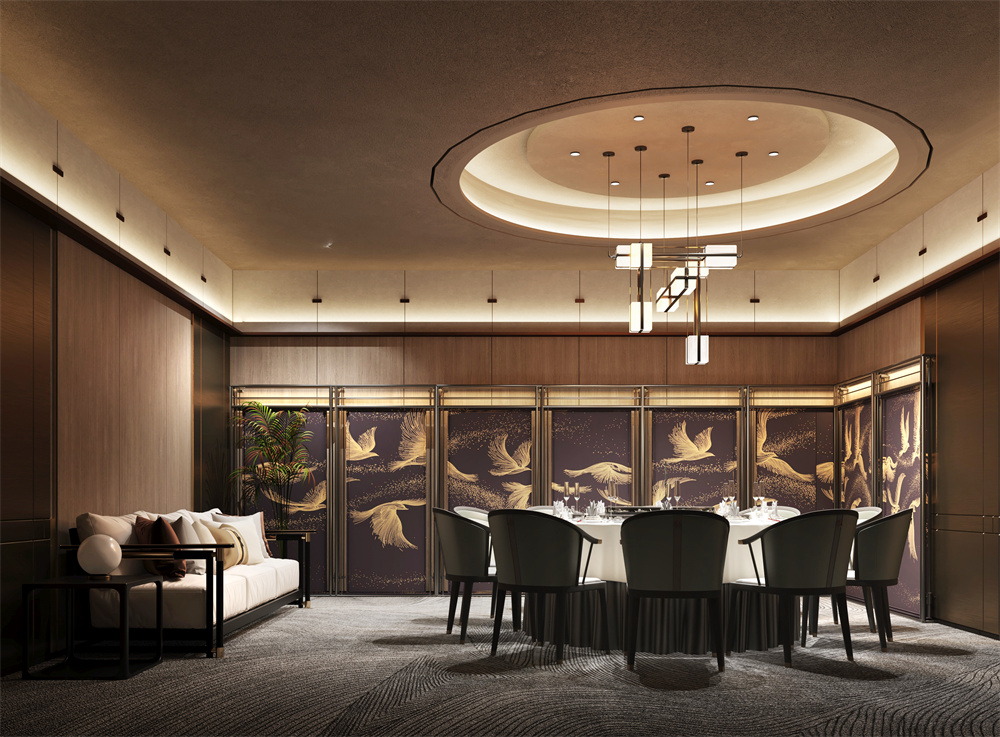
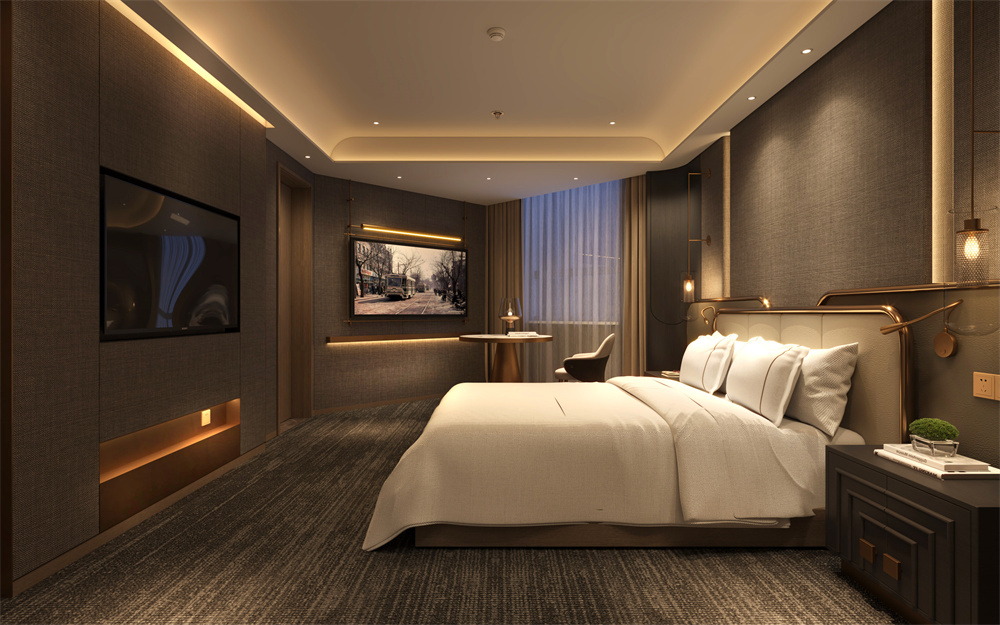
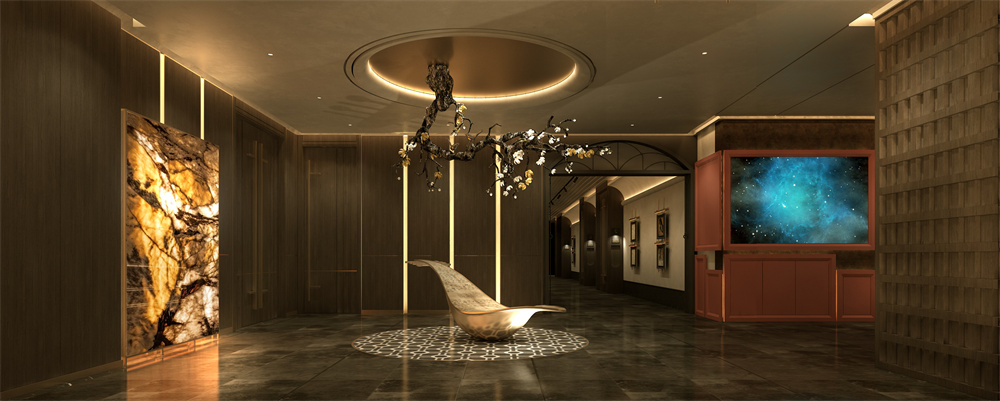
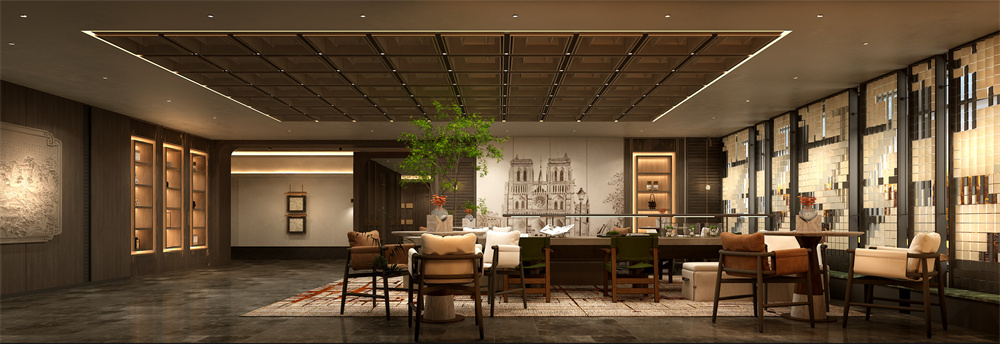
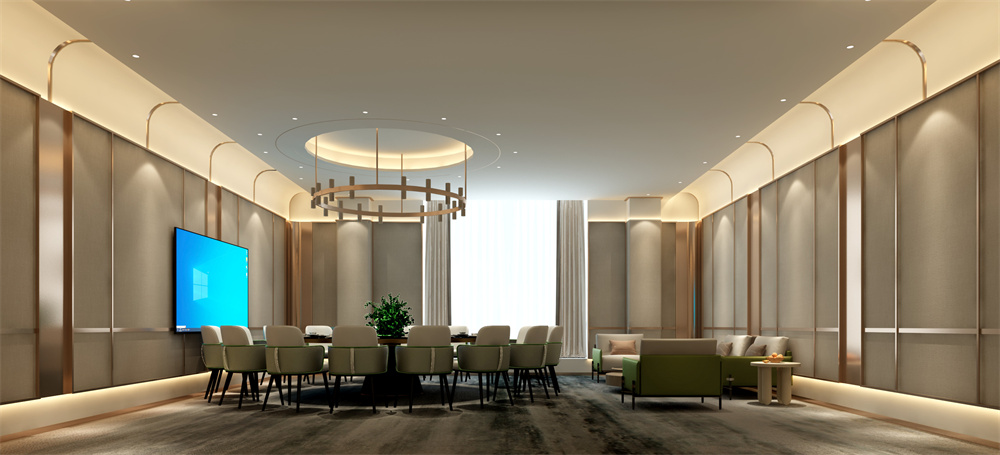
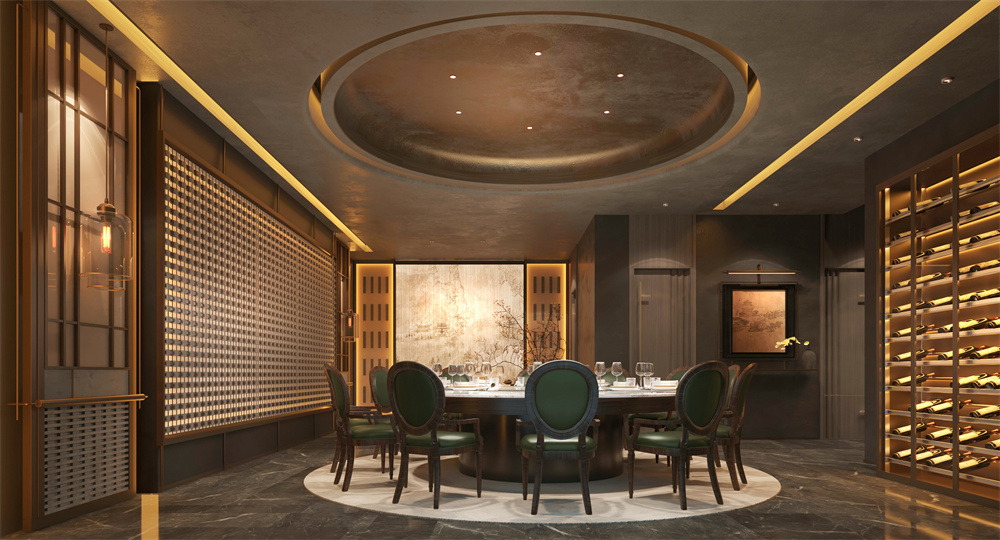
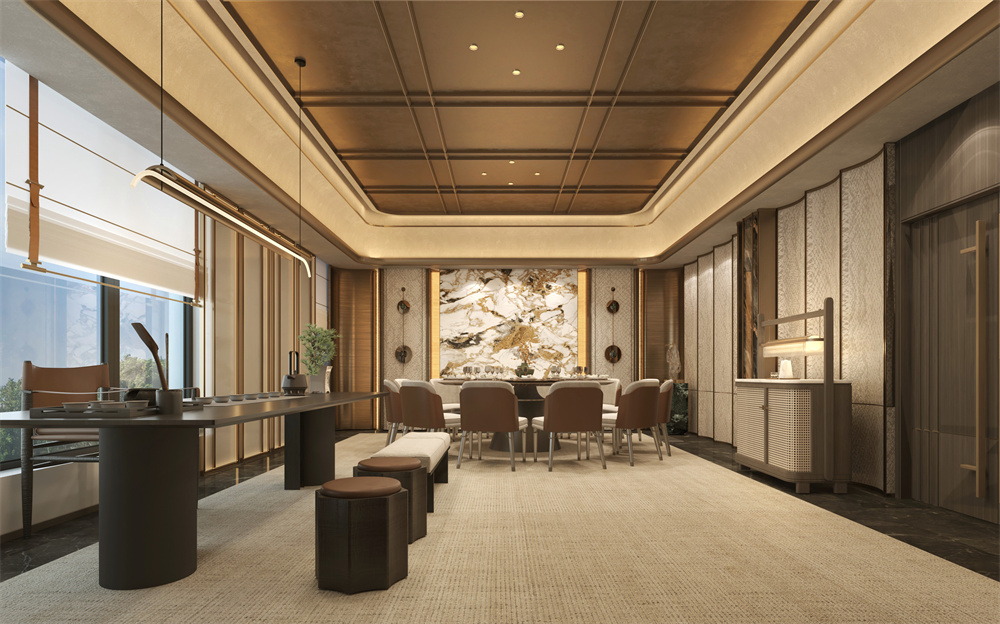
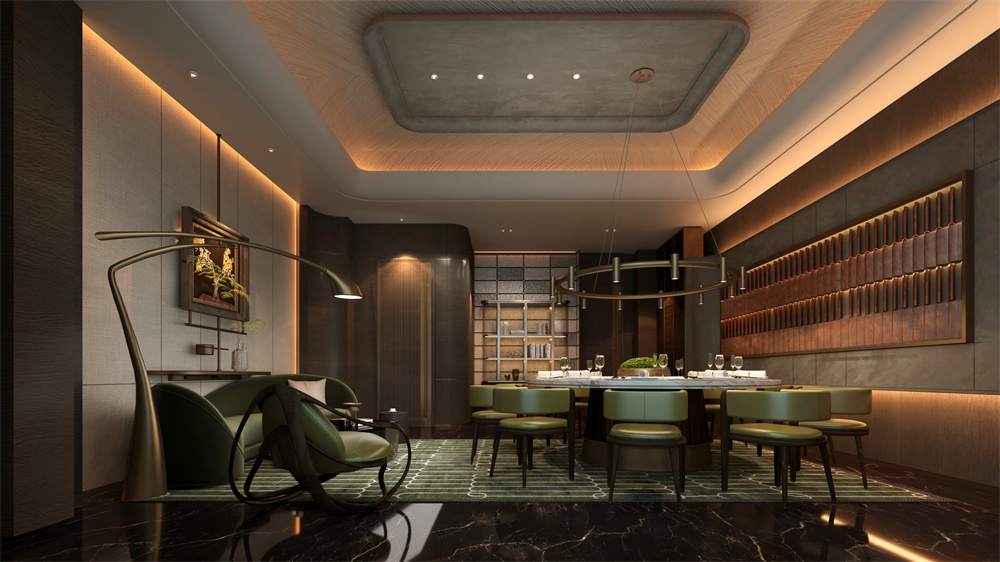
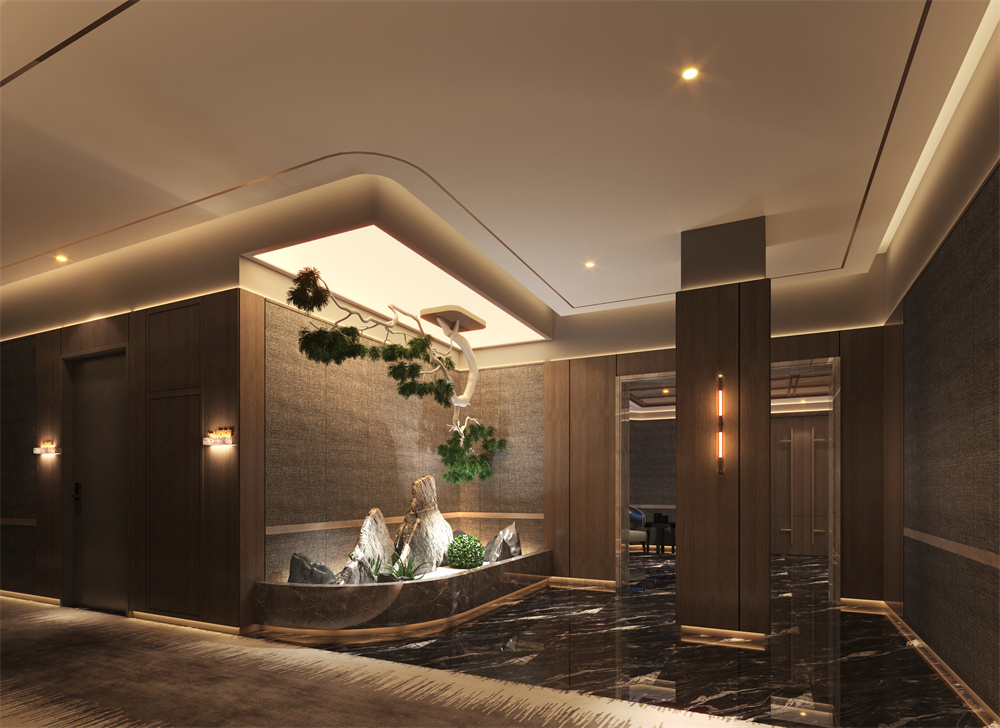
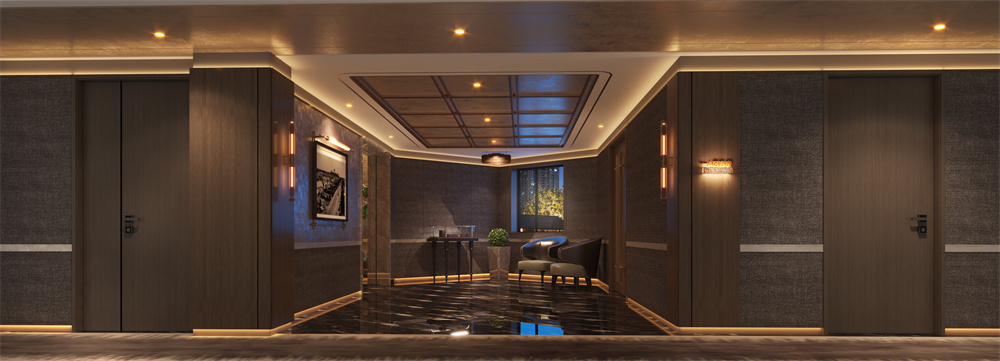
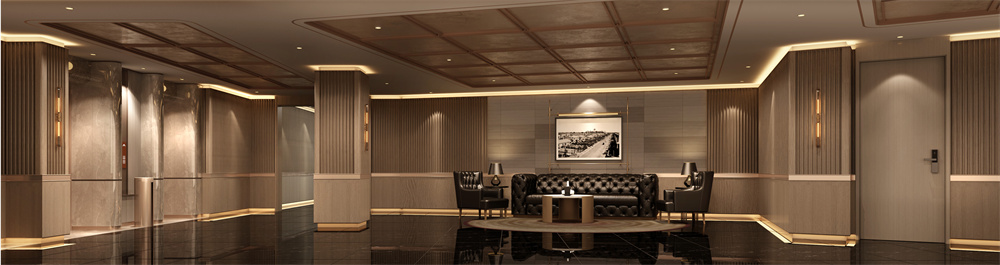
In the integration of historical architecture and modern space, we explore the memory nodes of original and reshaped architectural culture. Through in-depth interpretation of spatial temperament, we integrate ancient and modern elements, incorporating traditional culture and spirit into contemporary design. Using modern design techniques, we reinterpret historical buildings and give them new vitality and emotional experiences. The imprint of civilization is inherited in exquisite luxury, and the concept of natural coexistence is showcased in the fusion of antiquity and modern materials. The texture of handicrafts and the simplicity of contemporary design complement each other, creating a space full of storytelling and warmth. We are committed to achieving a dialogue between history and modernity in every design detail, allowing the space to tell its unique story, and enabling everyone who enters this space to experience the depth of history and the vitality of modernity.
Imprint:
The rendering of imperial colors creates a solemn and elegant atmosphere, achieving a perfect fusion of tradition and innovation in texture, color, environment, and elegance. We use techniques such as virtual and real light and shadow, transparent composition, etc. to create a visual experience that transcends time and space. Every detail of the space has been carefully designed, with classical music and the fragrance of tea filling the air, allowing people to feel the unique charm of traditional culture in terms of smell and taste. The embellishment of green plants and gardens makes the space more vivid and peaceful, as if immersing oneself in nature and purifying the soul. What we pursue is a comprehensive and multi-dimensional sensory feast, where every detail is carefully designed to make the space a touchable history, a tasteful culture, and a breathable nature.
Create:
In the interweaving of antique and exquisite design techniques, we use elements such as blocks and lines to construct a space with distinct layers and a sense of rhythm. The fusion of virtual and real light and shadow endows the space with mystery and charm. The clever layout of the composition space allows people to fully experience the beauty of space through the five senses of sight, hearing, taste, smell, and touch. Every detail of the space has been carefully considered, aiming to create a natural and relaxing environment where people can truly relax and enjoy themselves. What we pursue is a design concept of harmonious coexistence, which creates a silent communication between space and people, space and nature, space and culture, so that every experiencer can find their own rhythm and balance in this space.
Changchun Hotel, as a landmark building in Changchun City, has been carrying the historical memory and cultural heritage of the city since its completion in 1958. It not only witnesses countless significant historical moments in Jilin Province, but also becomes an important tourist attraction with its unique architectural style and cultural connotation. Therefore, the designer of this case cleverly combines traditional architectural elements with modern architectural concepts, making this building not only showcase the weight of history but also retain modern vitality, becoming a new landmark of Changchun City.
Agency:Zhengyang Design Qin Di, Hu Gang, Yang Liangcang, Xue Wang Xueying, Cui Guangqiu, Lou Kexin, Qiu Xuntao, Han Shuang
